A useful first strength session gives you something to repeat and compare. It is not a test of how many exercises you can fit in or how exhausted you can become.
Consistency before complexity
ACSM’s 2026 update emphasises consistent resistance training and individual goals. Bands, bodyweight, machines and free weights can all be useful; complicated routines and training to failure are not requirements for the average healthy adult. Source: ACSM (2026): Updated resistance training guidelines
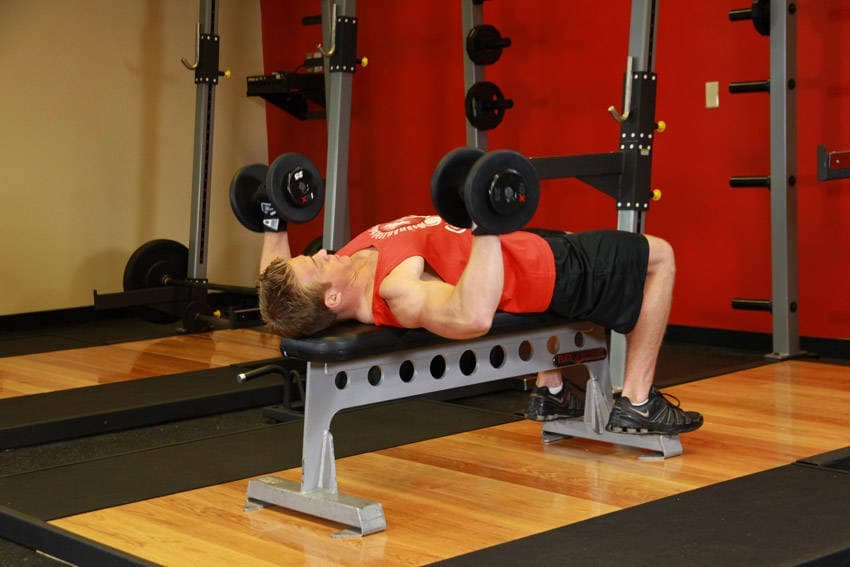
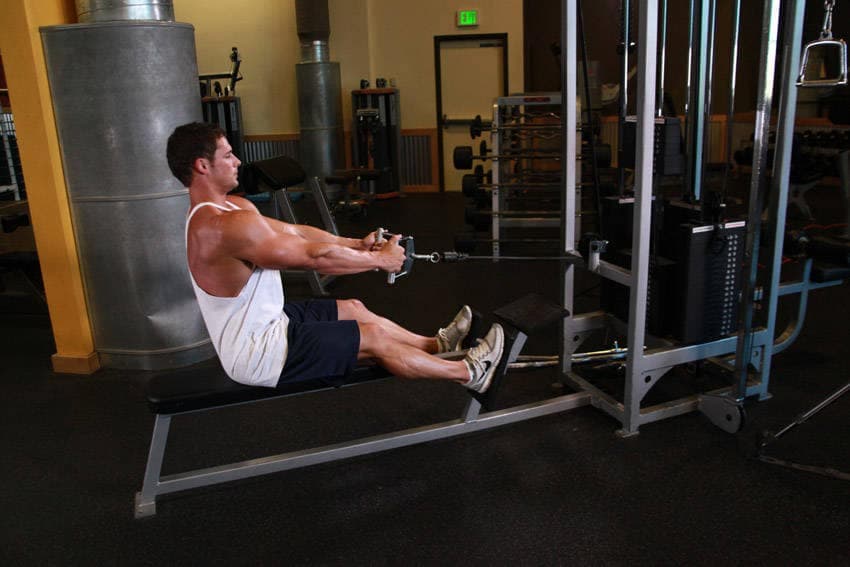
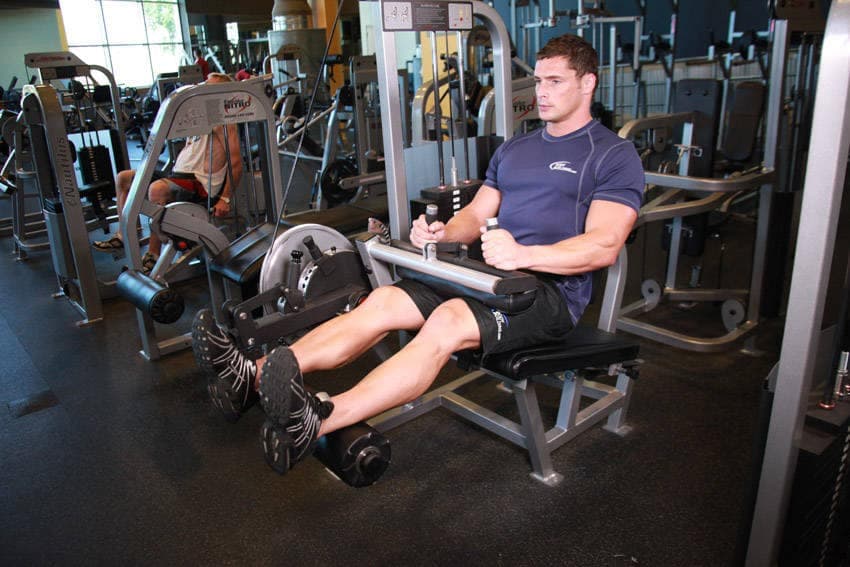
Choose movements you can set up and perform confidently. If the technique is unfamiliar, ask a qualified instructor to help. An exercise-library picture cannot assess your movement or decide whether an exercise suits an existing injury.
Record the work, not just the weight
Keep weight, repetitions, completed sets and set RPE together. A heavier dumbbell with fewer repetitions is a different result, not automatically an improvement. Note equipment changes too: two machines with the same number on the stack may not feel alike.
Overall session RPE belongs to the whole workout. Do not copy the hardest set’s RPE into the session rating without considering the rest of the workout.
Check where extra sets went
When the next plan has more sets, compare each exercise, not just the total. Removing one movement and distributing its sets elsewhere can increase demand on the remaining movements even when the session total stays unchanged.
Look for an explicit reason and a before-and-after comparison. Completing the previous session is information, not automatic permission to add volume. Your response afterwards and the rest of your week still matter.
How RPE and training load are calculated →
Sources and scope
Sources checked 7 October 2026. Practical examples are editorial illustrations, not individual training or treatment plans. Qantra’s editorial attribution does not mean this article has been medically reviewed.