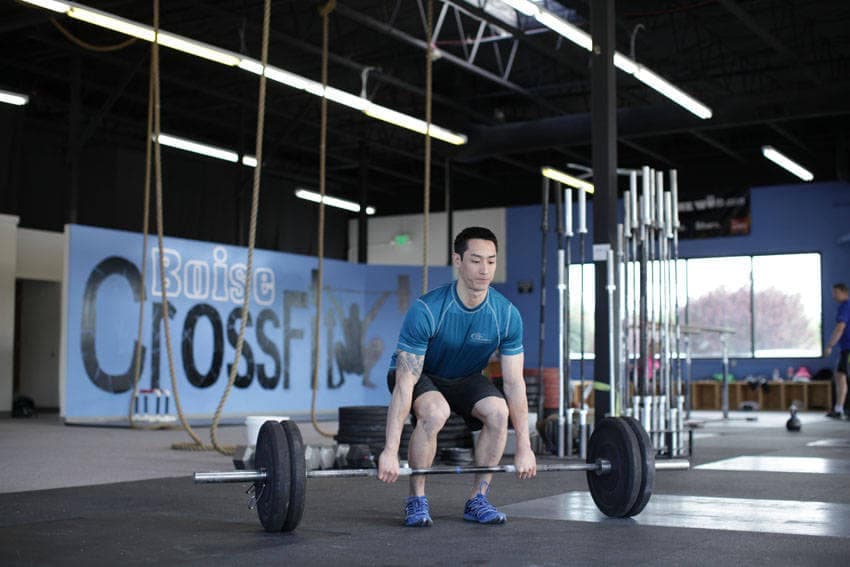
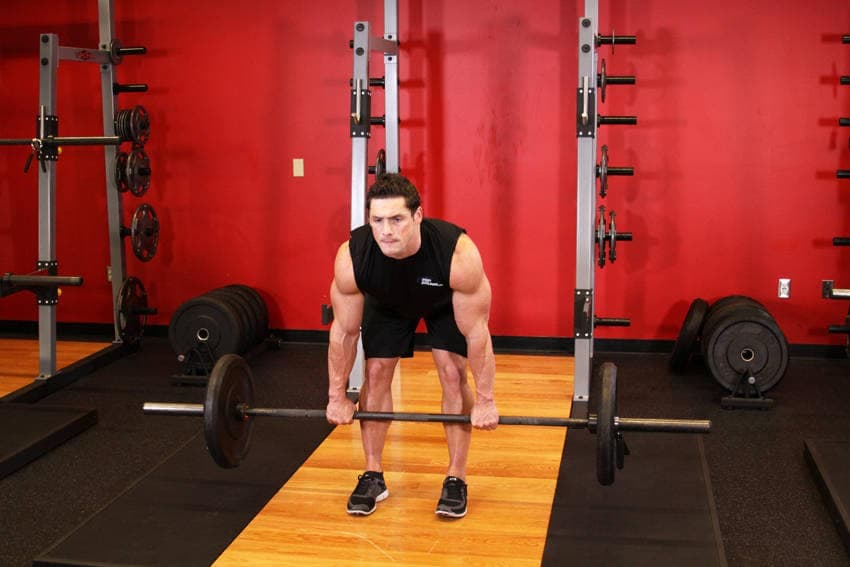
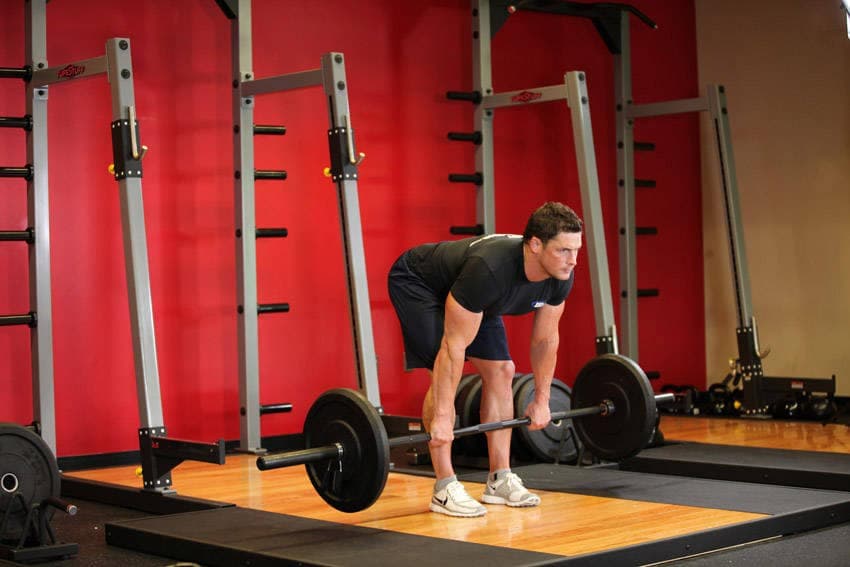
Movement sequence02 frames
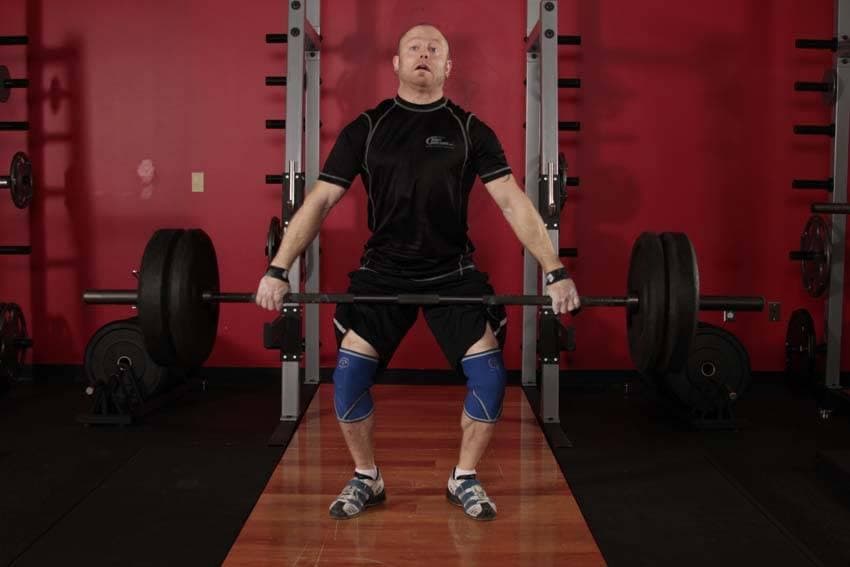
The Qantra note
Make the next session comparable
This is a technical lift or variation. Record the start position and successful repetitions, not just the load attempted.
Log the actual load, completed sets, repetitions and set effort. A heavier set with fewer reps is a different result, not automatically progress.
Exercise instructions
Original English instructions from free-exercise-db.
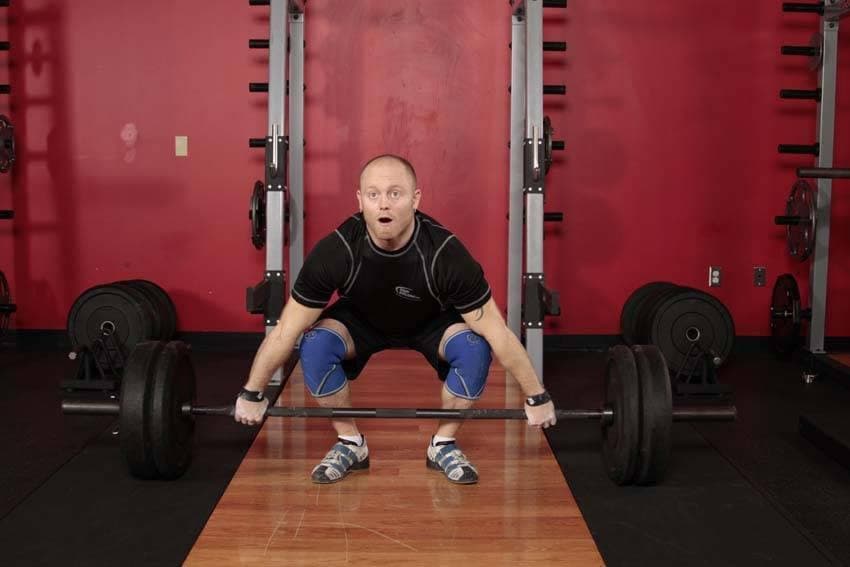
- With a barbell on the floor close to the shins, take a wide snatch grip. Lower your hips with the weight focused on the heels, back straight, head facing forward, chest up, with your shoulders just in front of the bar. This will be your starting position.
- Begin the first pull by driving through the heels, extending your knees. Your back angle should stay the same, and your arms should remain straight. Move the weight with control as you continue to above the knees.
- Next comes the second pull, the main source of acceleration for the pull. As the bar approaches the mid-thigh position, begin extending through the hips. In a jumping motion, accelerate by extending the hips, knees, and ankles, using speed to move the bar upward.
- There should be no need to actively pull through the arms to accelerate the weight; at the end of the second pull, the body should be fully extended, leaning slightly back. Full extension should be violent and abrupt, and ensure that you do not prolong the extension for longer than necessary.
Muscle groups
Primary: Hamstrings
Secondary: Calves, Glutes, Lower back, Quadriceps, Traps
Choose a load and range of motion that suit you. The library is not an individual assessment of what you should train.
Images and instructions: free-exercise-db, available under Unlicense.
Understand set effort and session load →
Open training app