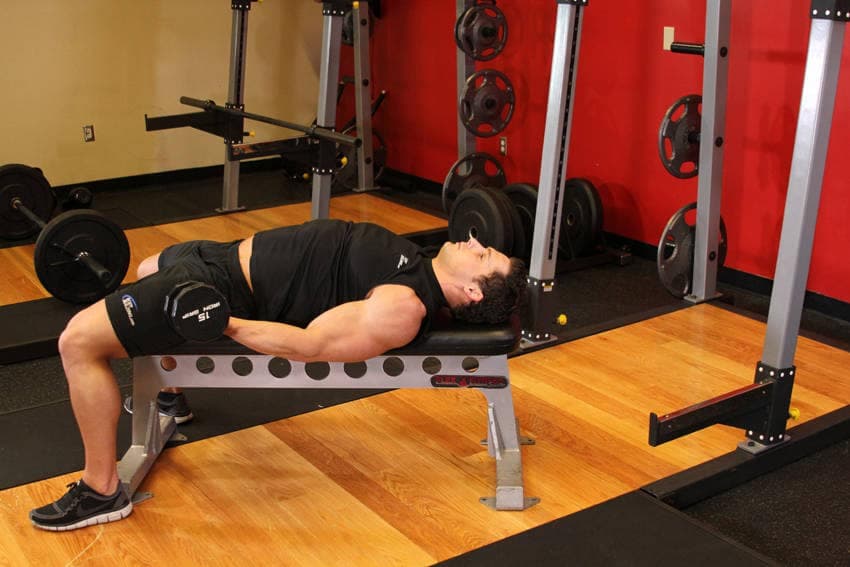
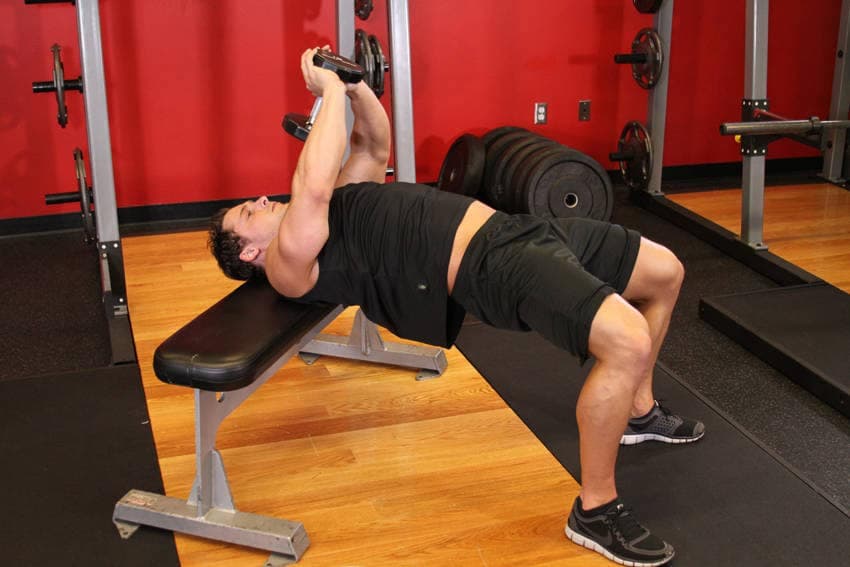
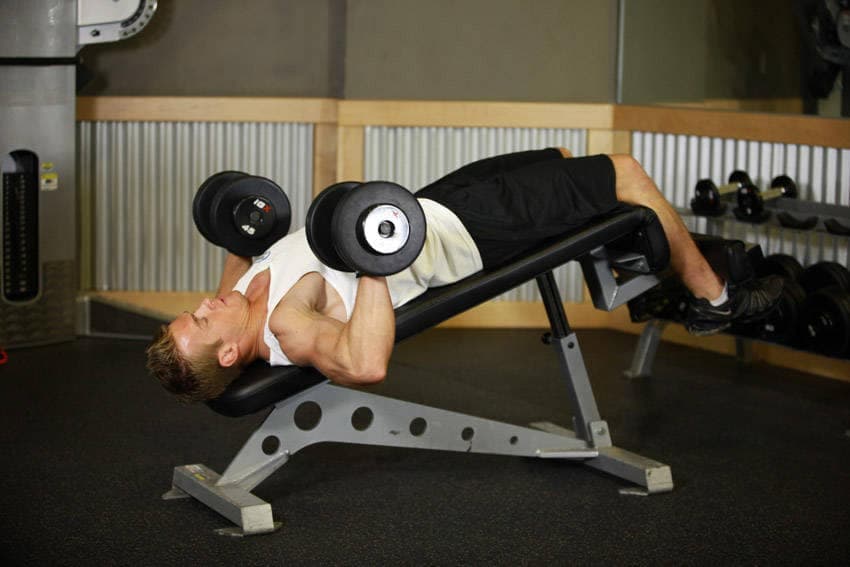
Movement sequence02 frames
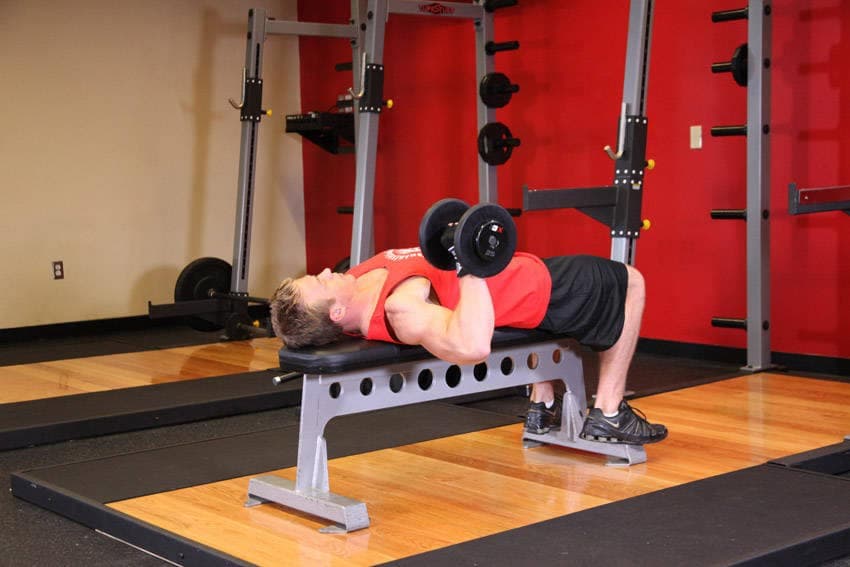
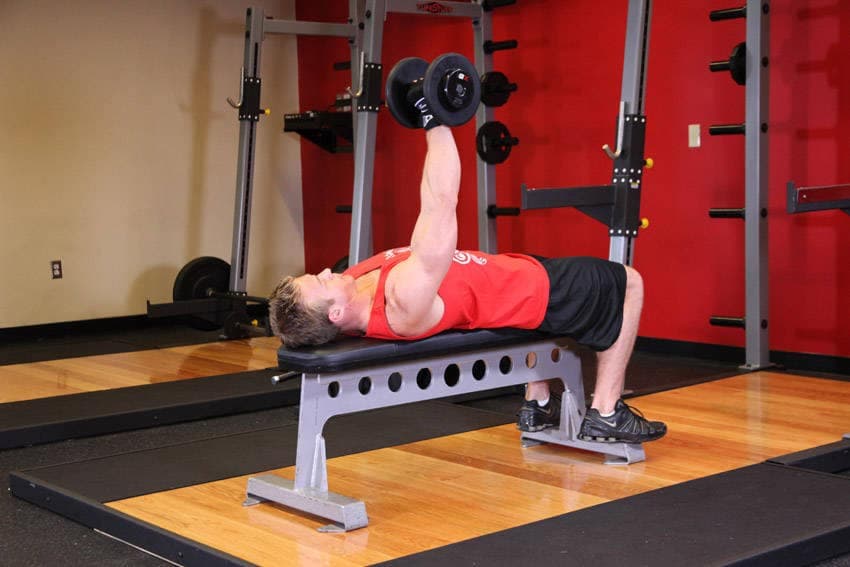
The Qantra note
Make the next session comparable
Compare weight and repetitions with a similar bench angle and comfortable range of motion. Note it when either changes.
Log the actual load, completed sets, repetitions and set effort. A heavier set with fewer reps is a different result, not automatically progress. If the sides are trained separately, keep their results separate too.
Exercise instructions
Original English instructions from free-exercise-db.
- Lie down on a flat bench with a dumbbell in one hand on top of your thigh.
- By using your thigh to help you get the dumbbell up, clean the dumbbell up so that you can hold it in front of you at shoulder width. Use the hand you are not lifting with to help position the dumbbell over you properly.
- Once at shoulder width, rotate your wrist forward so that the palm of your hand is facing away from you. This will be your starting position.
- Bring down the weights slowly to your side as you breathe in. Keep full control of the dumbbell at all times. Tip: Use the hand that you are not lifting with to help keep the dumbbell balance as you may struggle a bit at first. Only use your non-lifting hand if it is needed. Otherwise, keep it resting to the side.
- As you breathe out, push the dumbbells up using your pectoral muscles. Lock your arms in the contracted position, squeeze your chest, hold for a second and then start coming down slowly. Tip: It should take at least twice as long to go down than to come up.
- Repeat the movement for the prescribed amount of repetitions of your training program.
- Switch arms and repeat the movement.
Muscle groups
Primary: Chest
Secondary: Shoulders, Triceps
Choose a load and range of motion that suit you. The library is not an individual assessment of what you should train.
Images and instructions: free-exercise-db, available under Unlicense.
Understand set effort and session load →
Open training app