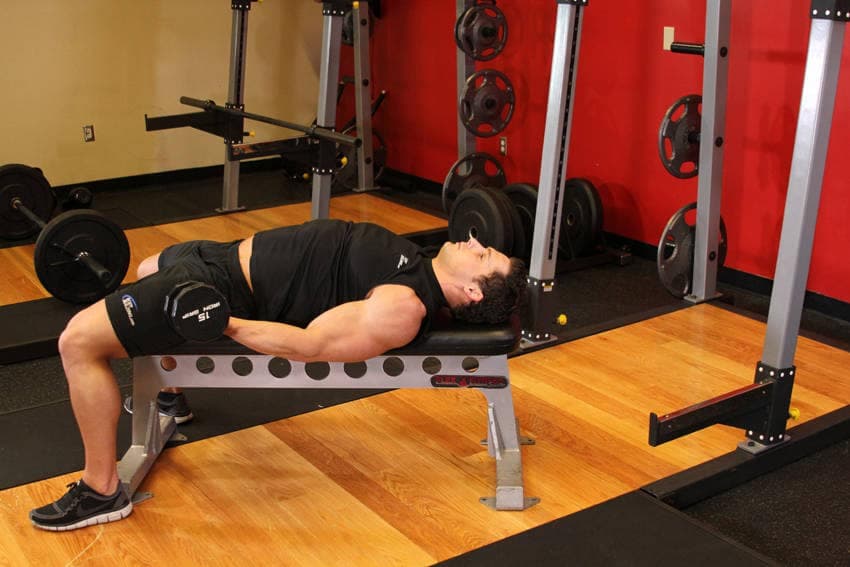
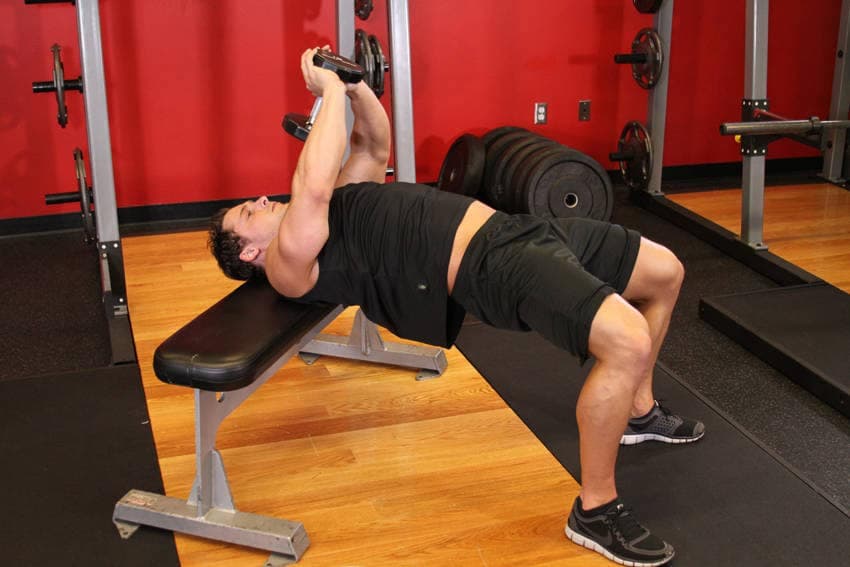
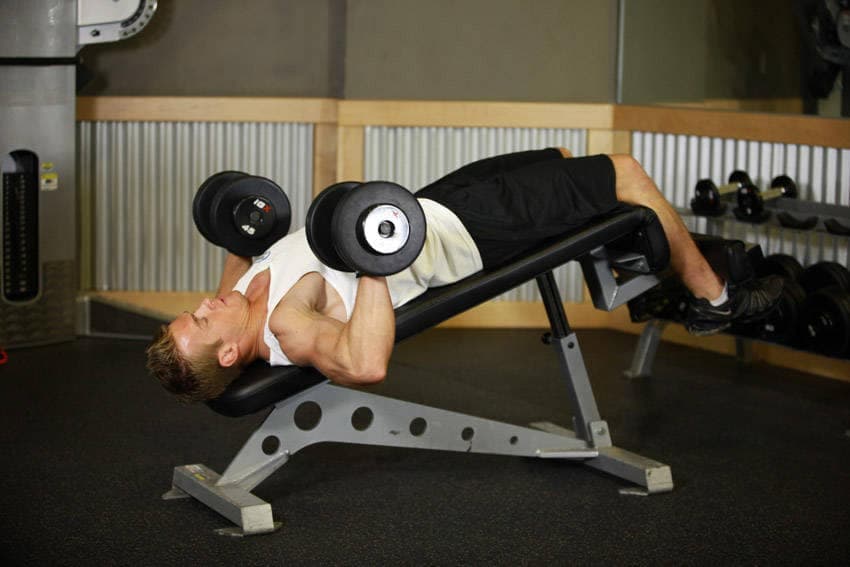
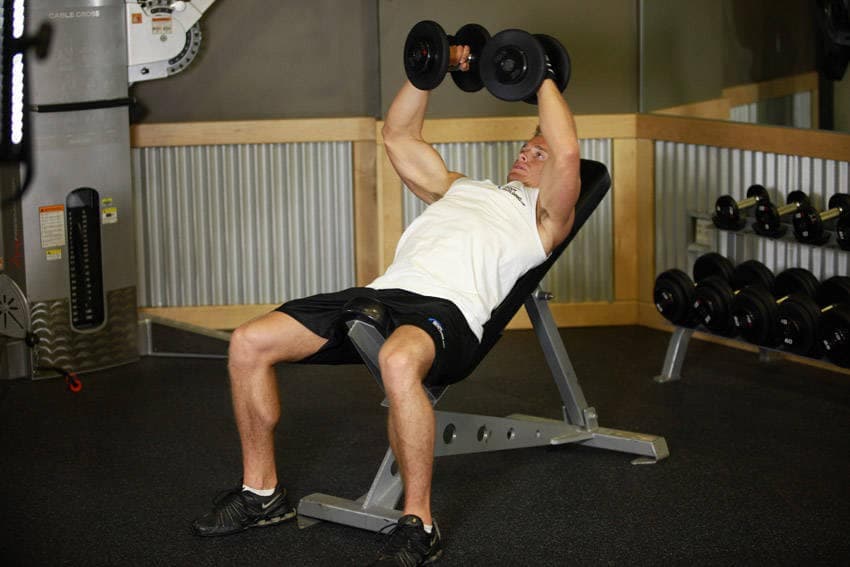
Movement sequence02 frames
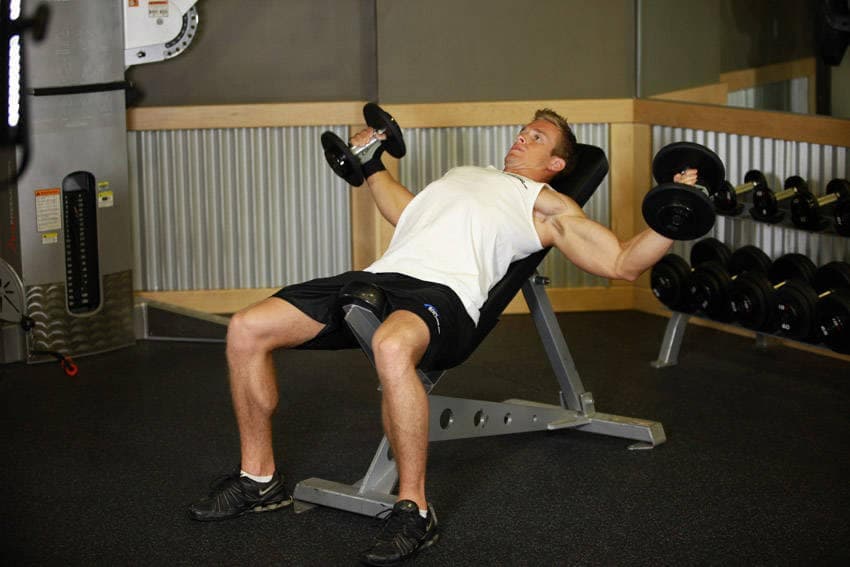
The Qantra note
Make the next session comparable
For a fly variation, a controlled, comfortable range is a more useful reference than load alone.
Log the actual load, completed sets, repetitions and set effort. A heavier set with fewer reps is a different result, not automatically progress. The incline or decline is part of this variation; note it if you change the setup.
Exercise instructions
Original English instructions from free-exercise-db.
- Hold a dumbbell on each hand and lie on an incline bench that is set to an incline angle of no more than 30 degrees.
- Extend your arms above you with a slight bend at the elbows.
- Now rotate the wrists so that the palms of your hands are facing you. Tip: The pinky fingers should be next to each other. This will be your starting position.
- As you breathe in, start to slowly lower the arms to the side while keeping the arms extended and while rotating the wrists until the palms of the hand are facing each other. Tip: At the end of the movement the arms will be by your side with the palms facing the ceiling.
- As you exhale start to bring the dumbbells back up to the starting position by reversing the motion and rotating the hands so that the pinky fingers are next to each other again. Tip: Keep in mind that the movement will only happen at the shoulder joint and at the wrist. There is no motion that happens at the elbow joint.
- Repeat for the recommended amount of repetitions.
Muscle groups
Primary: Chest
Secondary: Shoulders
Choose a load and range of motion that suit you. The library is not an individual assessment of what you should train.
Images and instructions: free-exercise-db, available under Unlicense.
Understand set effort and session load →
Open training app