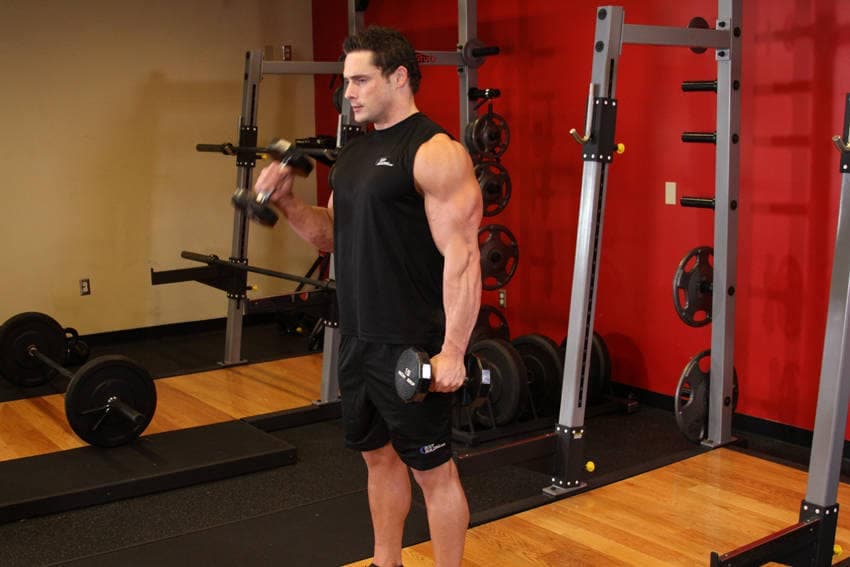
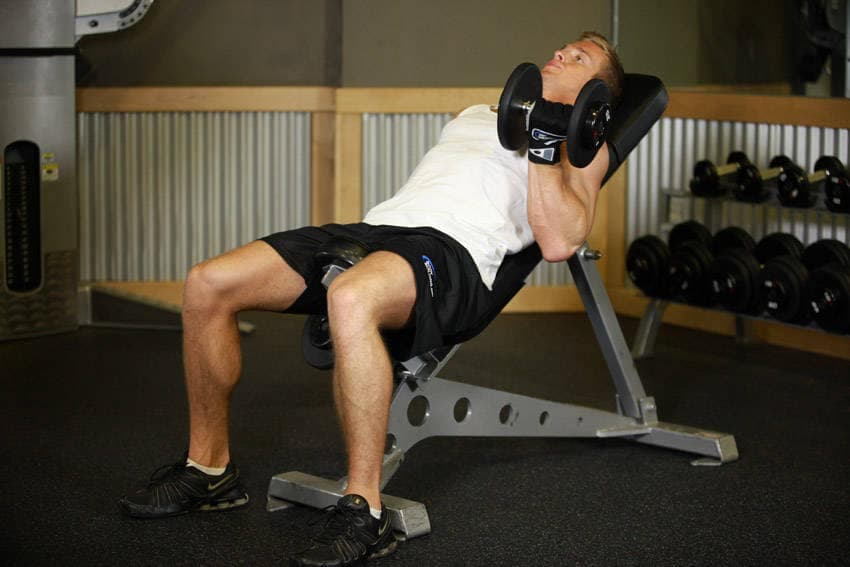
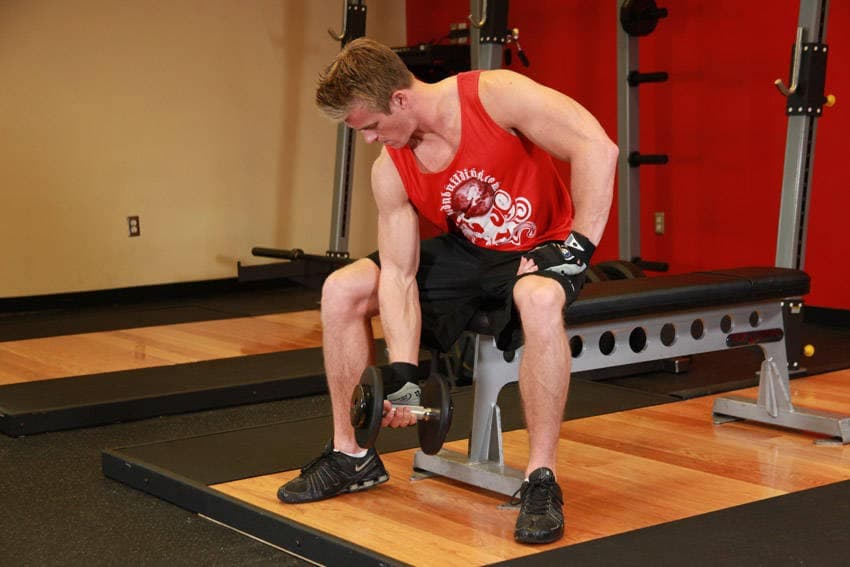
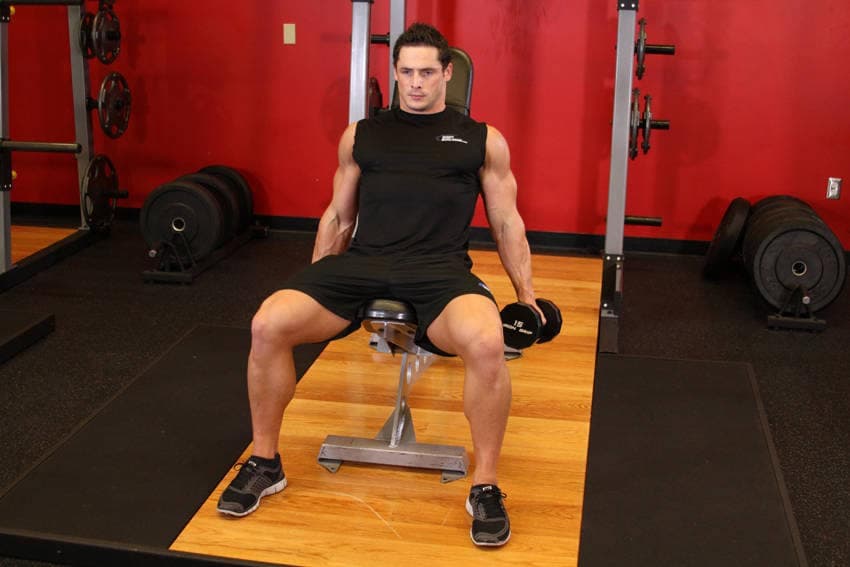
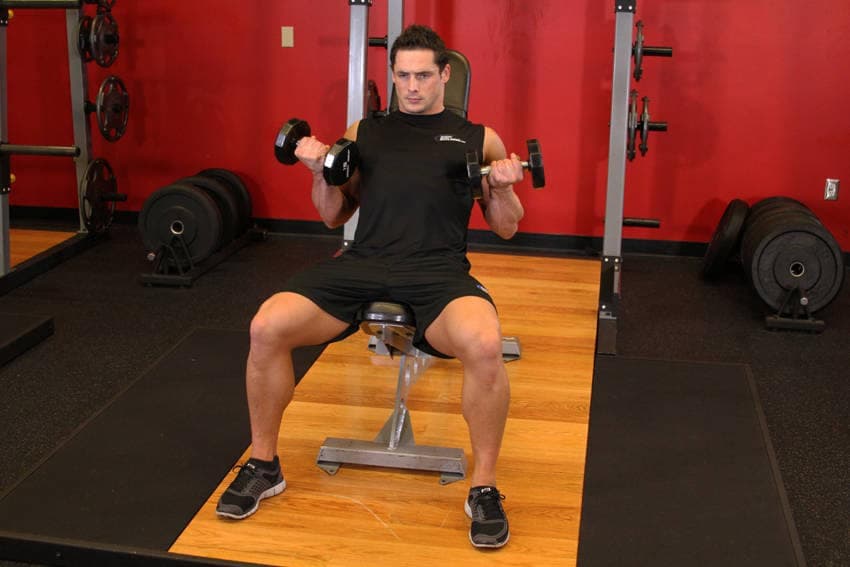
Movement sequence02 frames
The Qantra note
Make the next session comparable
A curl is most informative in the log when the same arm position and amount of assistance are used next time.
Log the actual load, completed sets, repetitions and set effort. A heavier set with fewer reps is a different result, not automatically progress. The incline or decline is part of this variation; note it if you change the setup.
Exercise instructions
Original English instructions from free-exercise-db.
- Hold the dumbbell towards the side farther from you so that you have more weight on the side closest to you. (This can be done for a good effect on all bicep dumbbell exercises). Now do a normal incline dumbbell curl, but keep your wrists as far back as possible so as to neutralize any stress that is placed on them.
- Sit on an incline bench that is angled at 45-degrees while holding a dumbbell on each hand.
- Let your arms hang down on your sides, with the elbows in, and turn the palms of your hands forward with the thumbs pointing away from the body. Tip: You will keep this hand position throughout the movement as there should not be any twisting of the hands as they come up. This will be your starting position.
- Curl up the two dumbbells at the same time until your biceps are fully contracted and exhale. Tip: Do not swing the arms or use momentum. Keep a controlled motion at all times. Hold the contracted position for a second at the top.
- As you inhale, slowly go back to the starting position.
- Repeat for the recommended amount of repetitions.
Muscle groups
Primary: Biceps
Choose a load and range of motion that suit you. The library is not an individual assessment of what you should train.
Images and instructions: free-exercise-db, available under Unlicense.
Understand set effort and session load →
Open training app