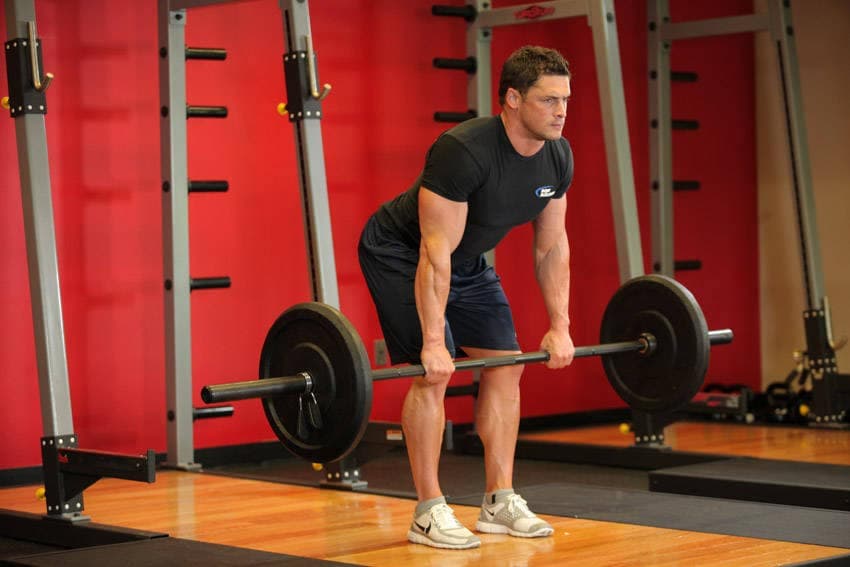
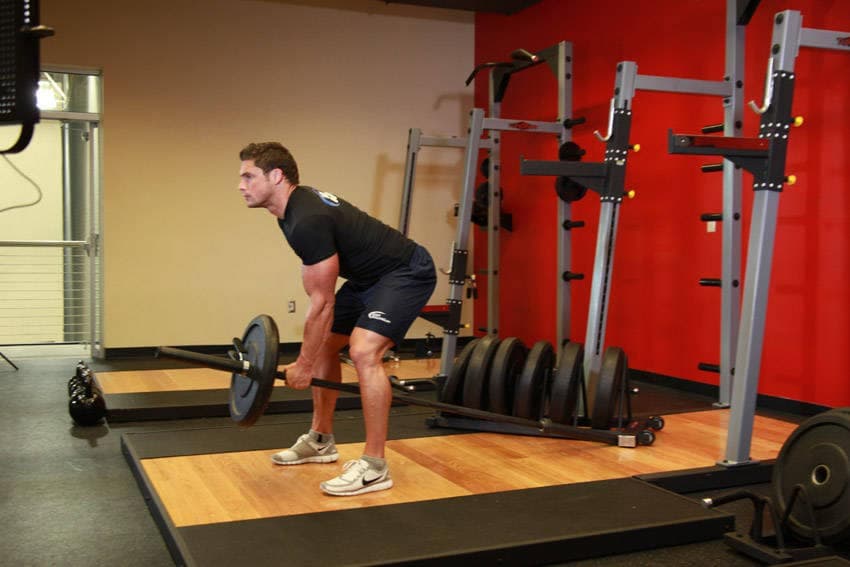
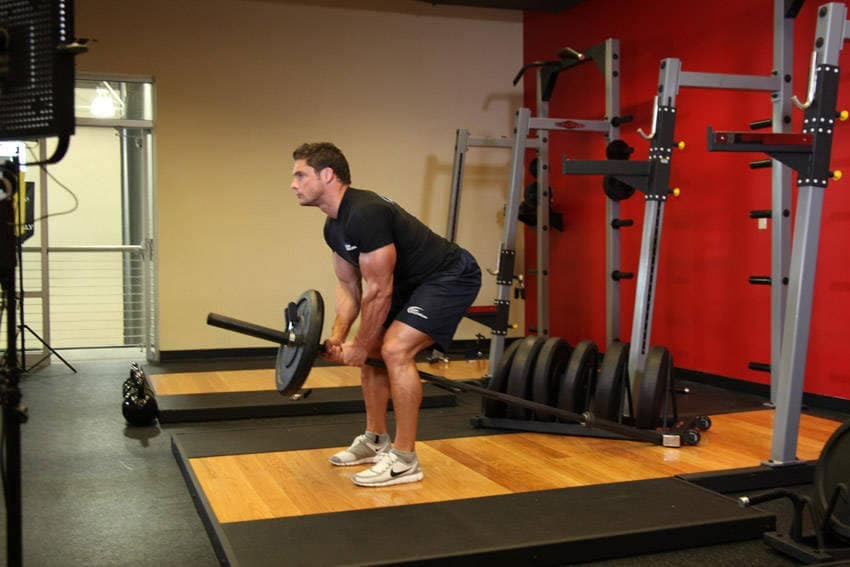
Movement sequence02 frames
The Qantra note
Make the next session comparable
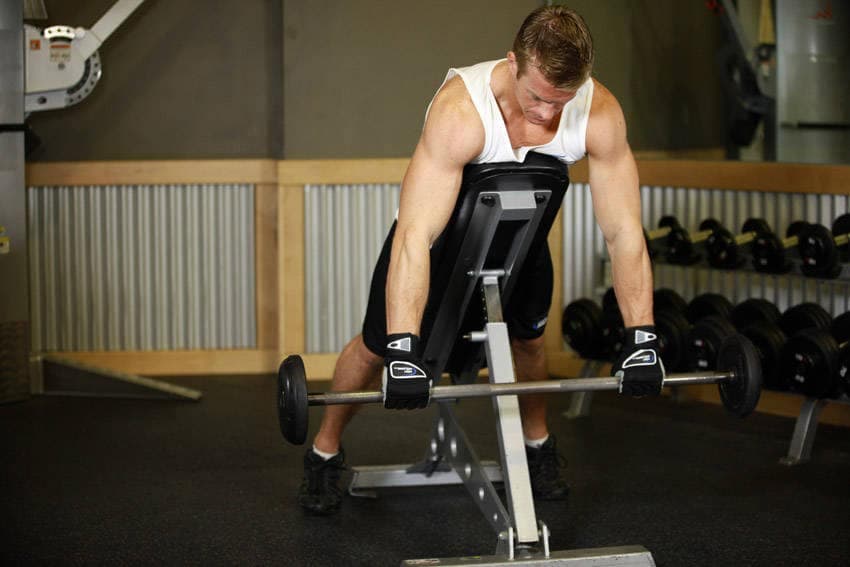
For a row, support, grip and movement path are part of the setup—not just the load.
Log the actual load, completed sets, repetitions and set effort. A heavier set with fewer reps is a different result, not automatically progress.
Exercise instructions
Original English instructions from free-exercise-db.
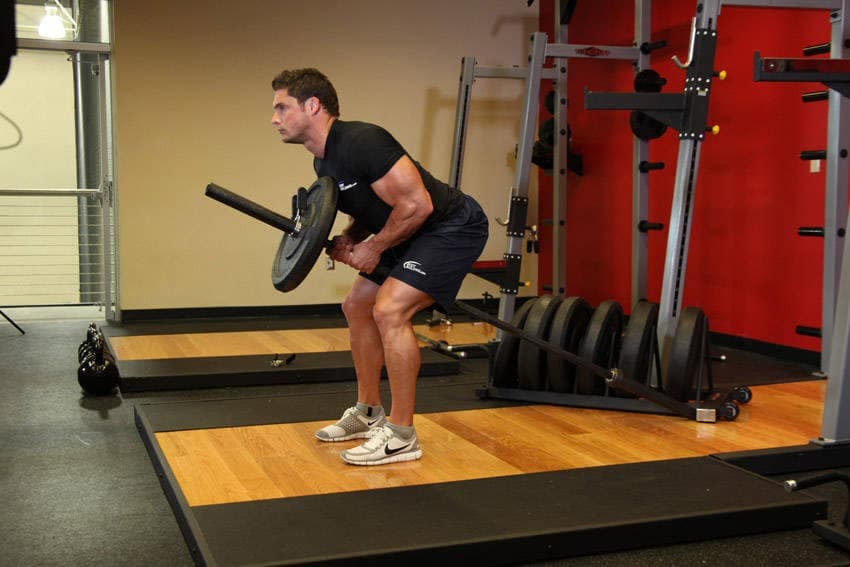
- Put weight on one of the ends of an Olympic barbell. Make sure that you either place the other end of the barbell in the corner of two walls; or put a heavy object on the ground so the barbell cannot slide backward.
- Bend forward until your torso is as close to parallel with the floor as you can and keep your knees slightly bent.
- Now grab the bar with both arms just behind the plates on the side where the weight was placed and put your other hand on your knee. This will be your starting position.
- Pull the bar straight up with your elbows in (to maximize back stimulation) until the plates touch your lower chest. Squeeze the back muscles as you lift the weight up and hold for a second at the top of the movement. Breathe out as you lift the weight. Tip: Use a stirrup or double handle cable attachment by hooking it under the end of the bar.
- Slowly lower the bar to the starting position getting a nice stretch on the lats. Tip: Do not let the plates touch the floor. To ensure the best range of motion, I recommend using small plates (25-lb ones) as opposed to larger plates (like 35-45lb ones).
- Repeat for the recommended amount of repetitions.
Muscle groups
Primary: Middle back
Secondary: Biceps, Lats
Choose a load and range of motion that suit you. The library is not an individual assessment of what you should train.
Images and instructions: free-exercise-db, available under Unlicense.
Understand set effort and session load →
Open training app