‘Zone 2’ looks precise on a calendar. Without knowing the zone model and how its boundaries were set, it is not a complete instruction.
Name the model before the number
Heart-rate and power zones are different systems, and not every system uses the same number of zones. If you use zones, note which model and device you are following. Do not assume someone else’s zone 2 is your target.
For a ride intended to be easy, keep the intention visible and record actual overall effort afterwards. The article on RPE explains how an effort rating can complement device readings without pretending they are interchangeable.
Low impact is not no load
Victoria’s Department of Health describes cycling as a low-impact activity that can fit into everyday transport. That description does not mean a long or demanding ride is free recovery or suitable for every painful joint. Source: Victoria Department of Health: Cycling — health benefits
Include the ride in your weekly training picture. Indoor resistance, hills and headwinds belong in the comparison. A commute can count as physical activity even when it was not a formal training session.
A useful ride log
Start with actual duration and overall RPE. Add distance or power when you have reliable readings, but leave unknown values empty. Zero power and unknown power are not the same thing.
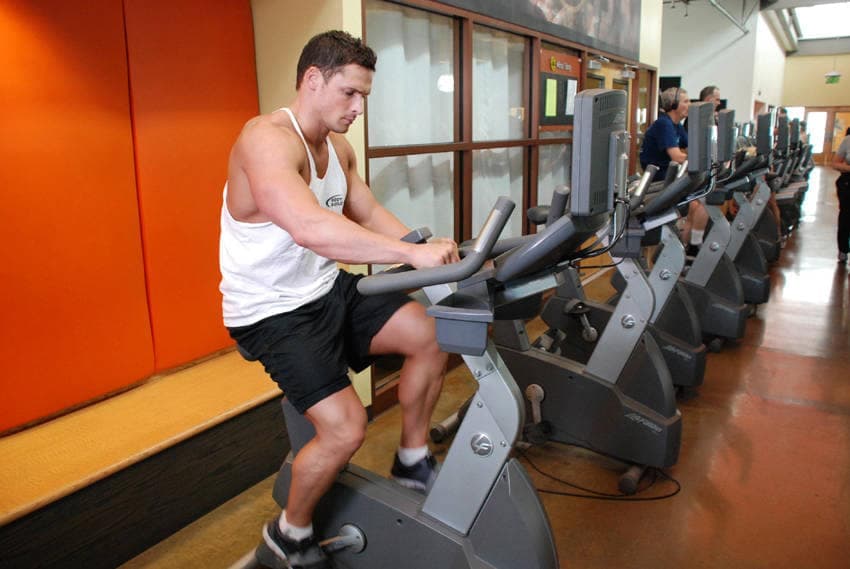
Record whether the ride was indoors or outdoors. Compare similar conditions where possible. If an easy ride becomes hard because of the route, describe what happened rather than forcing the log to match the plan.
How RPE and training load are calculated →
Sources and scope
Sources checked 7 October 2026. Practical examples are editorial illustrations, not individual training or treatment plans. Qantra’s editorial attribution does not mean this article has been medically reviewed.